January 2026
January 27th: Reflecting on our second cross-Trust residential
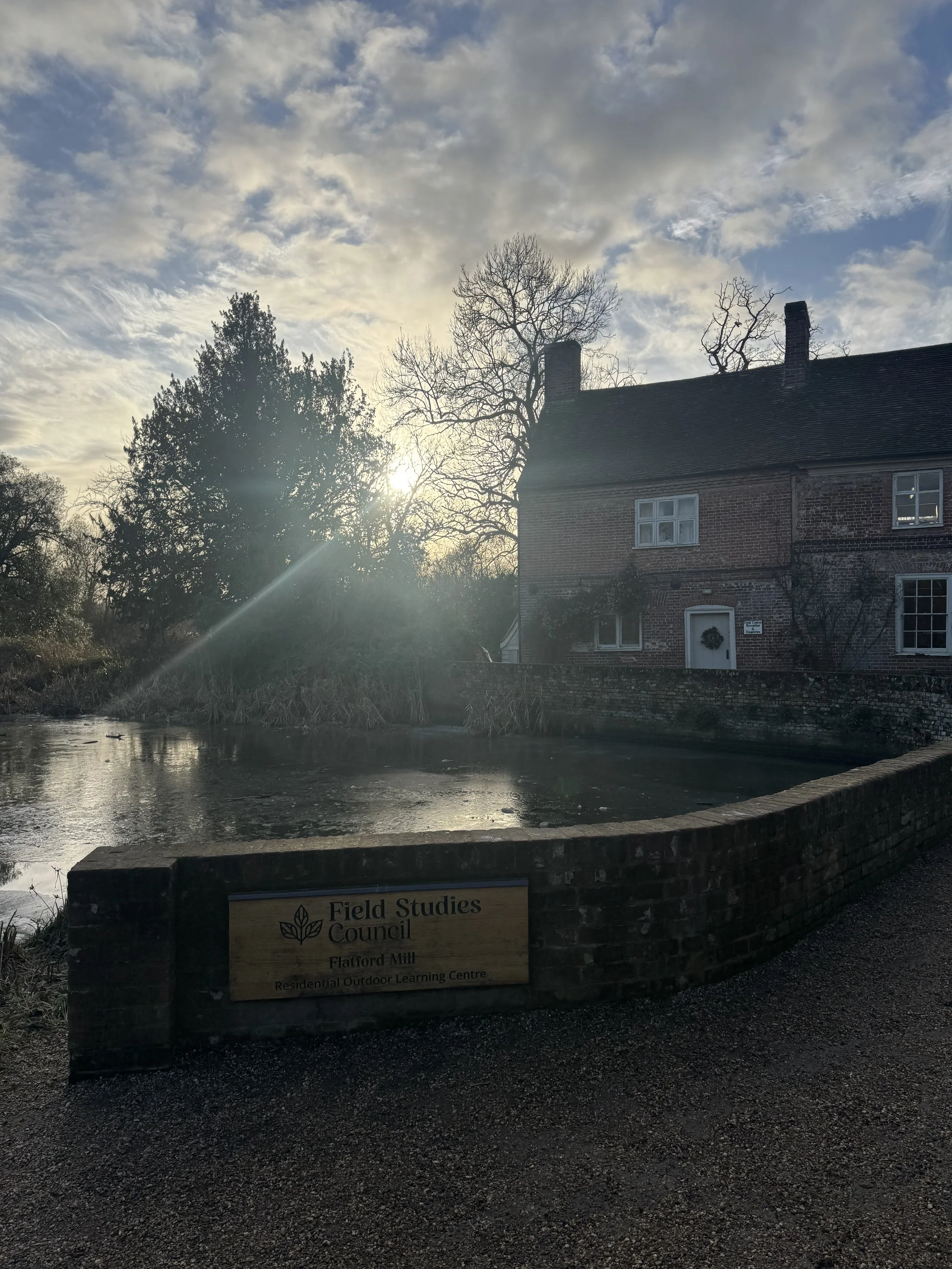
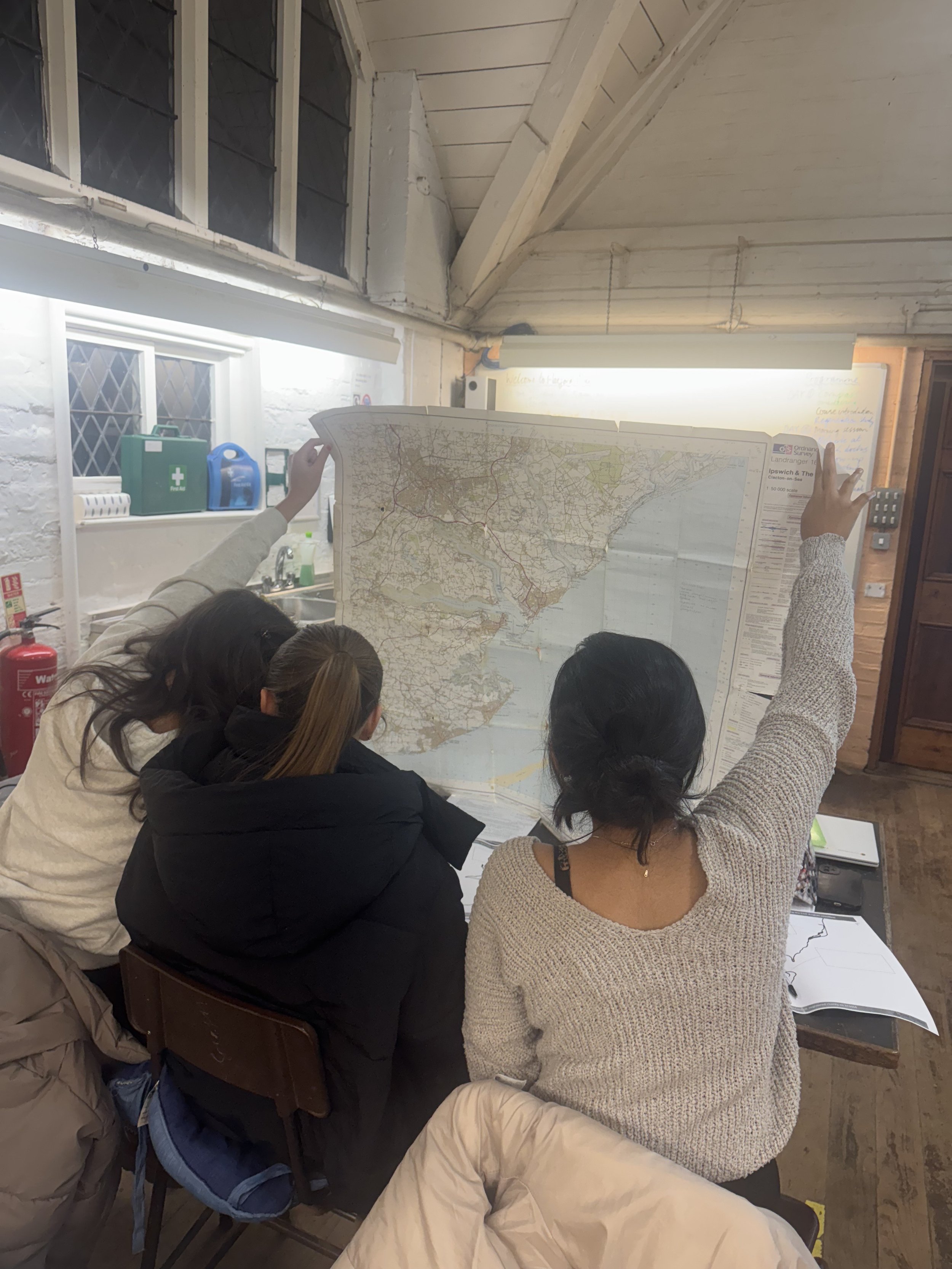
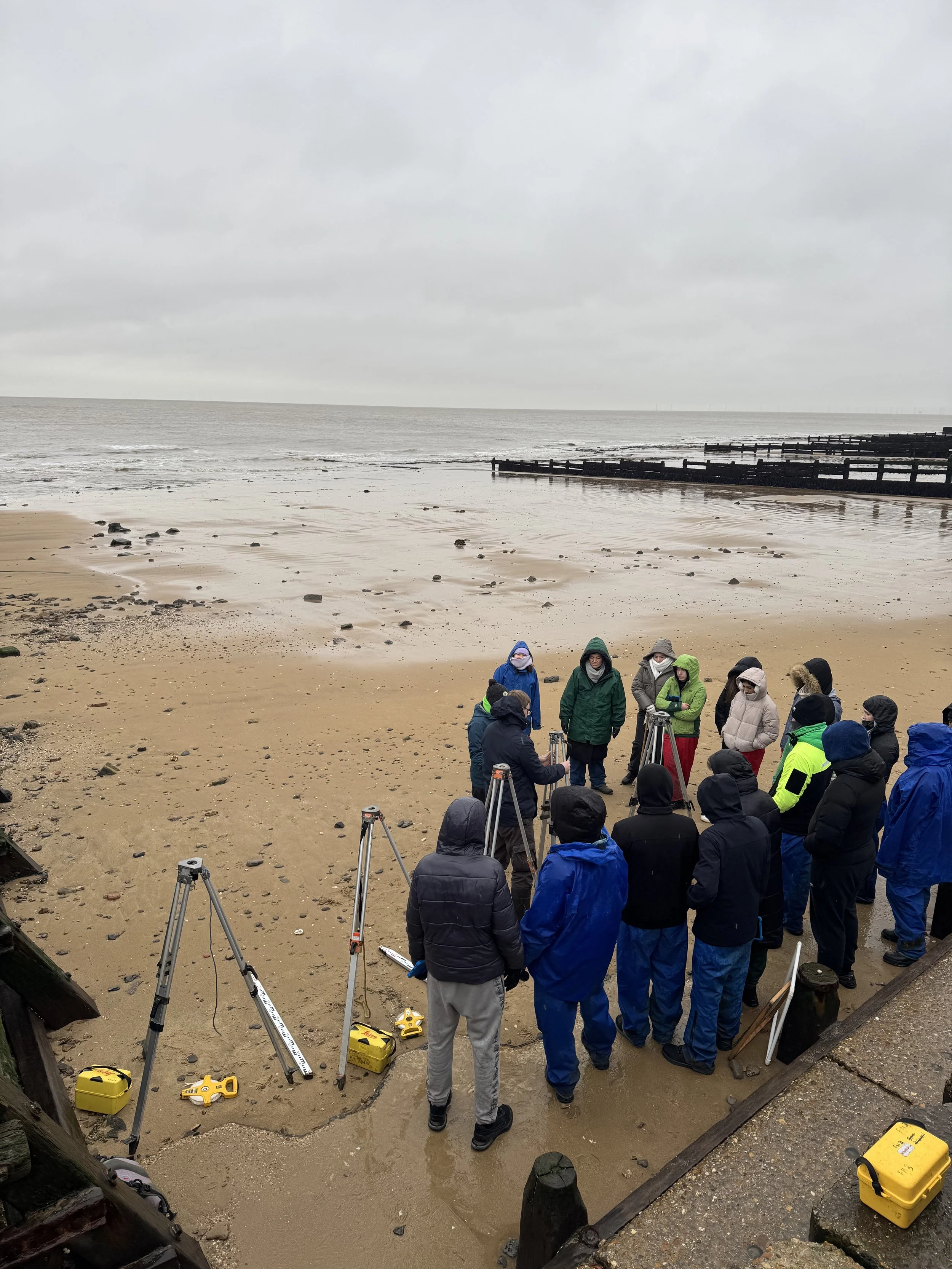
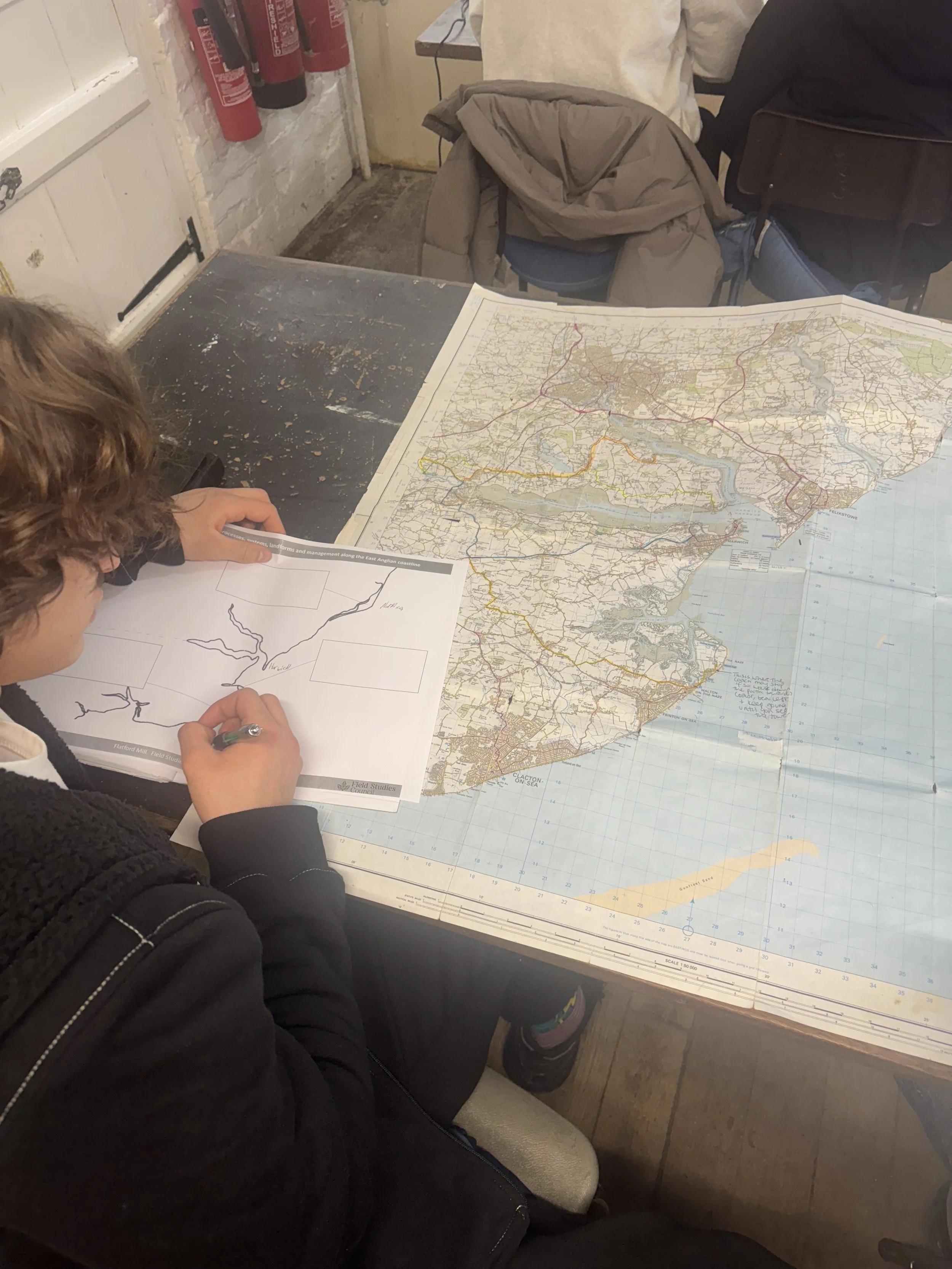
January 2025 saw our first ever cross-Trust residential for A-Level students of Future Academies and it was a great success! This year we repeated it (again, in the cold conditions of early January) and headed back to Flatford Mill for 2 nights away studying regeneration.
I shared what we did last year here (scroll down to the 3rd item) but we made a few tweaks for 2026. The biggest change was to adopt a ‘less is more’ approach and remove the study of Dedham on Day 1. The short winter days meant that, last year, we didn’t feel that students had any real sense of place as to where they were- they didn’t explore the immediate area around Flatford Mill and didn’t see much of the area in daylight. So, we removed this first fieldwork session and instead students took part in the orienteering challenge around the fieldwork centre. All students (and staff!) got stuck into exploring and getting to know their location and a great time was had by all!
Whilst the fieldwork activities carried out in Dedham were excellent for developing their geographical thinking, they were a little detached from the techniques that most of our students would use in their NEAs and so we took the decision to instead concentrate on more explicit teaching of the NEA ahead of their day in Ipswich collecting data. In the years that I’ve been teaching the NEA, this is what has changed most in my teaching: ever-increasing explicit teaching of the components. So, the first evening was spent introducing students to the NEA, talking through each component in turn and looking at examples of student work so that students had a clear idea of what they were going to be asked to produce and how.
From here, we mostly kept the format of the trip that same as previously but with more ‘lessons’ / sessions taught by us rather than FSC staff. Whilst the FSC staff are excellent and their local knowledge far better than ours, we felt that we wanted more time to ‘wrap up’ each section of the trip with students- in the same way that we would in our own classrooms. So, each morning and evening we took the students for a lesson delivered by us that enabled us to do this. That’s the good thing about finding a trip that works for you and repeating it each year- you can refine it over time to make it work exactly how you’d like it to!
If anyone wants to know more about our trip to Flatford Mill and what we do, just drop me an email!
January 21st: Regenerating Places webinar for Cooper Education
It was great to join James again for another webinar on behalf of Cooper Education. In this webinar I talked all about teaching the difficult topic of Regenerating Places and shared lots of different ideas, resources and top tips. My next webinar is happening next week and is about Migration, Identity and Sovereignty- you can book a ticket here.
This is a topic that I’ve blogged about lots and so there’s a quite a few bits and bobs shared here:
How I teach Regenerating Places — Kate Stockings
A blog post sharing how I teach the Olympic Park Regeneration — Kate Stockings
A blog post sharing how I teach about the Carpenters Estate regeneration — Kate Stockings
A blog post sharing how I teach about the Battersea Power Station regeneration — Kate Stockings
January 6th: Sugar and Slavery gallery at the Museum of London
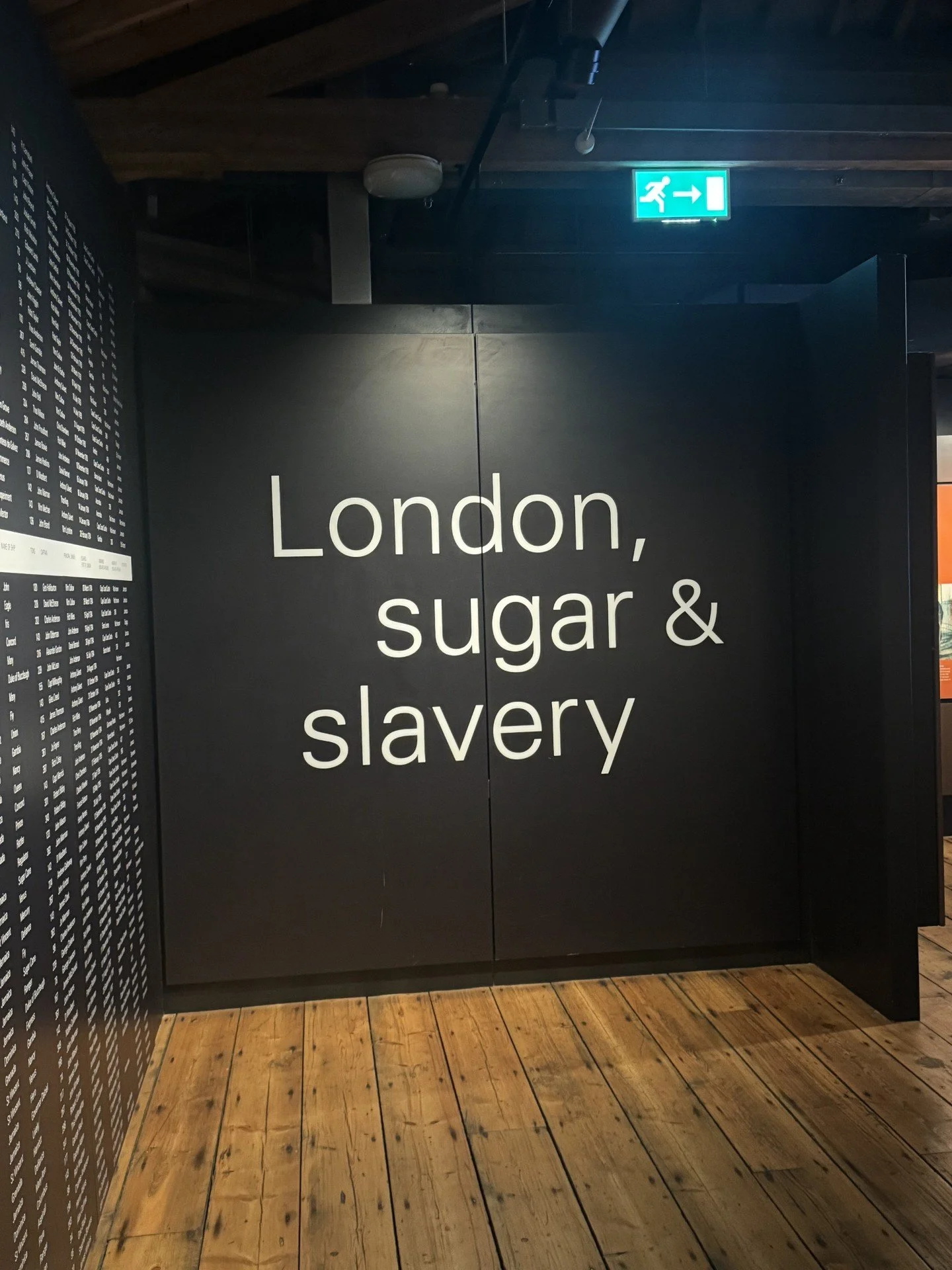
In the 2025 summer holidays I was lucky enough to work with the Museum of London on another education project. This time, I worked with them to update the KS3 trail for the London, Sugar and Slavery gallery at the Docklands Museum. This was a great project to work on mainly because it allowed me to spend many hours in the gallery really looking at the displays and resources and thinking carefully about KS3 students might best interact with them. The link below takes you to the updated gallery trail. I’d recommend the museum to all to visit- with or without school groups!
January 2nd: Kickstarting the year with Wild London
January 1st called for a slow day and presented the perfect opportunity to watch the newly-released ‘Wild London’ with David Attenborough on BBC iPlayer. This one hour documentary uncovers, explores, and celebrates the wildlife of our capital city. Whilst some of the stories told will be familiar to many, some will be new and captivating to most (I’m thinking the snakes of Regents Canal for anyone who has seen it…!). It’s a recommended watch for all and caused me to reflect, as I have done frequently in recent years, on the space for nature in our geography curriculum(s).
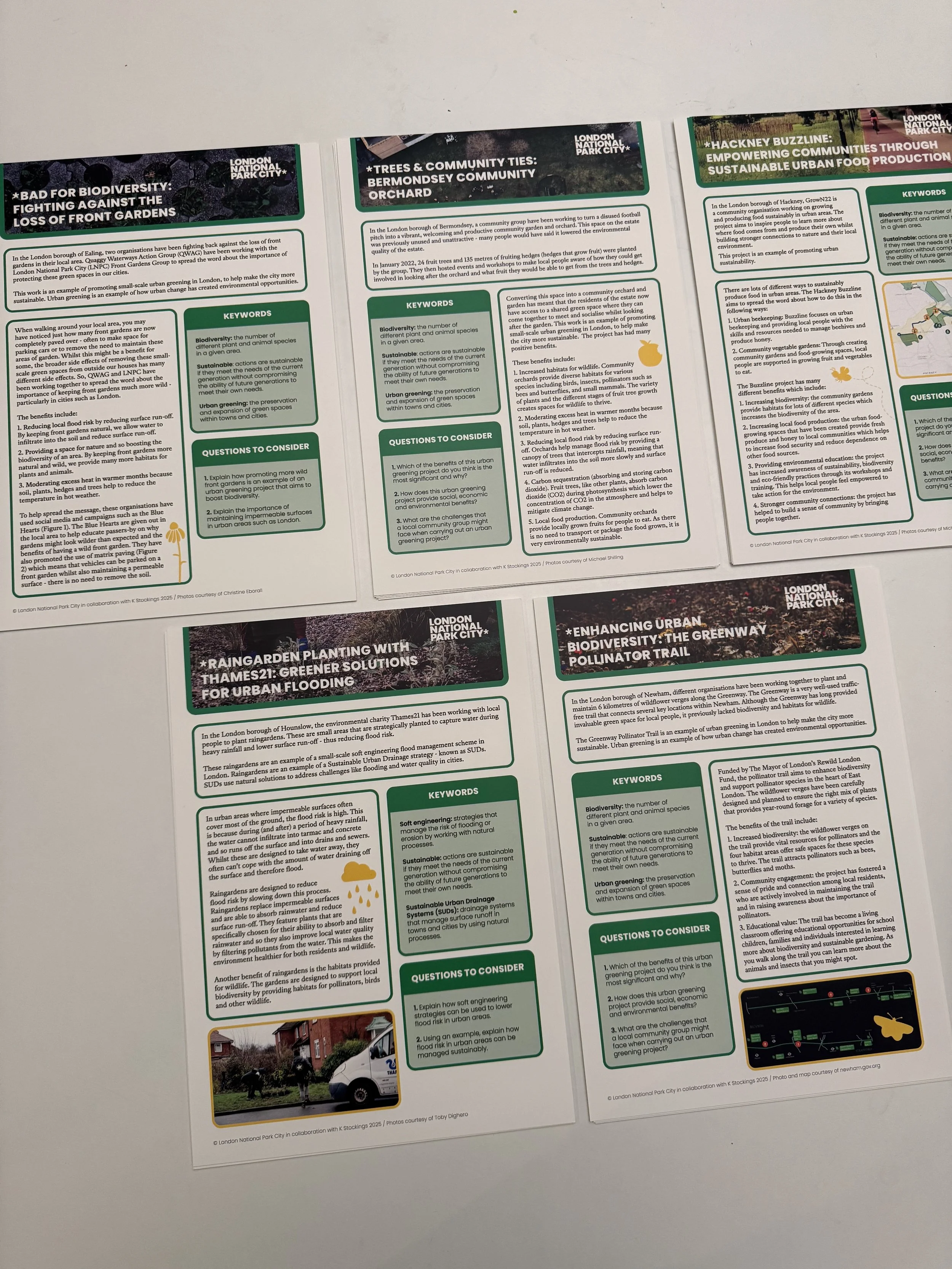
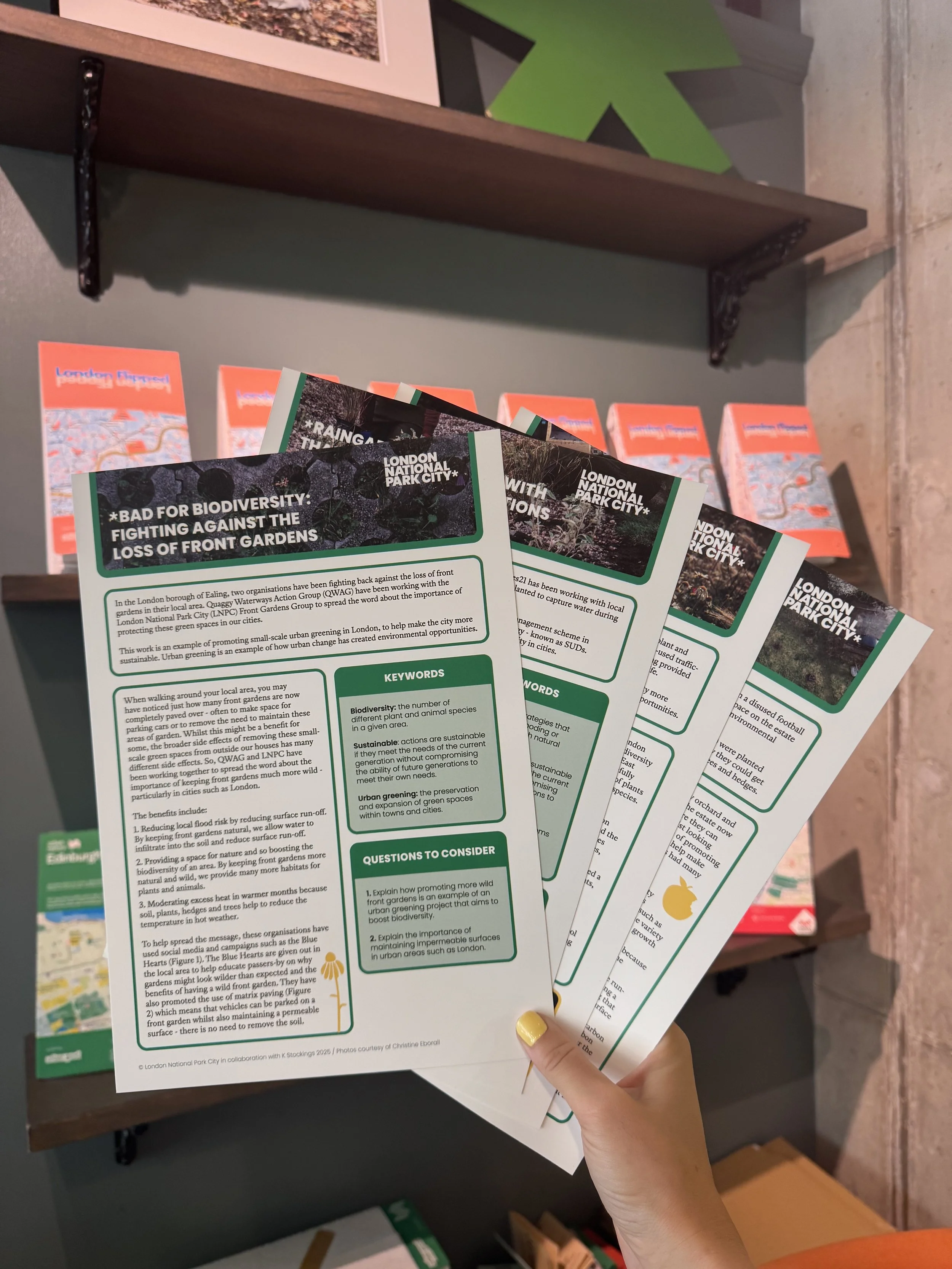
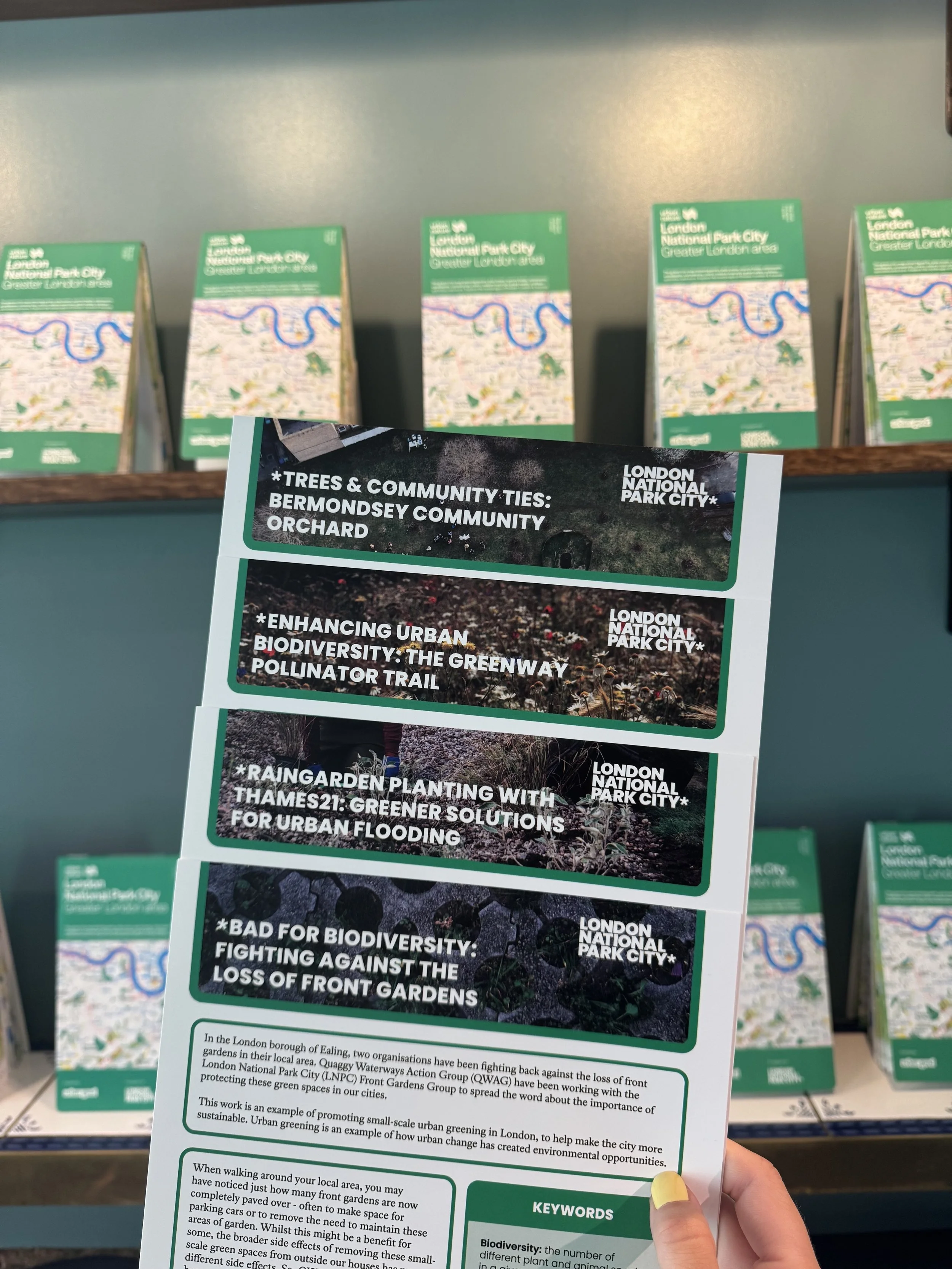
The Wild London documentary briefly mentions the London National Park City movement. Since 2020 I’ve been a volunteer Ranger for LNPC and spoke about this role and the impact it’s had on my teaching here on the Do London differently podcast. In August 2025, we released some simple resources to help teach about the projects taking place to make London greener, healthier and wilder. If, like me, the Wild London documentary has inspired you to reflect on where nature is / is not within your curriculum, hopefully this blog and the resources will be useful!