“It can be easy to forget that the natural world, the environment and the climate are the stage on which history plays out” (p.20)
November 2026
Overall Verdict: ★ ★ ★ ★
To buy this book, click here.
Why this book?
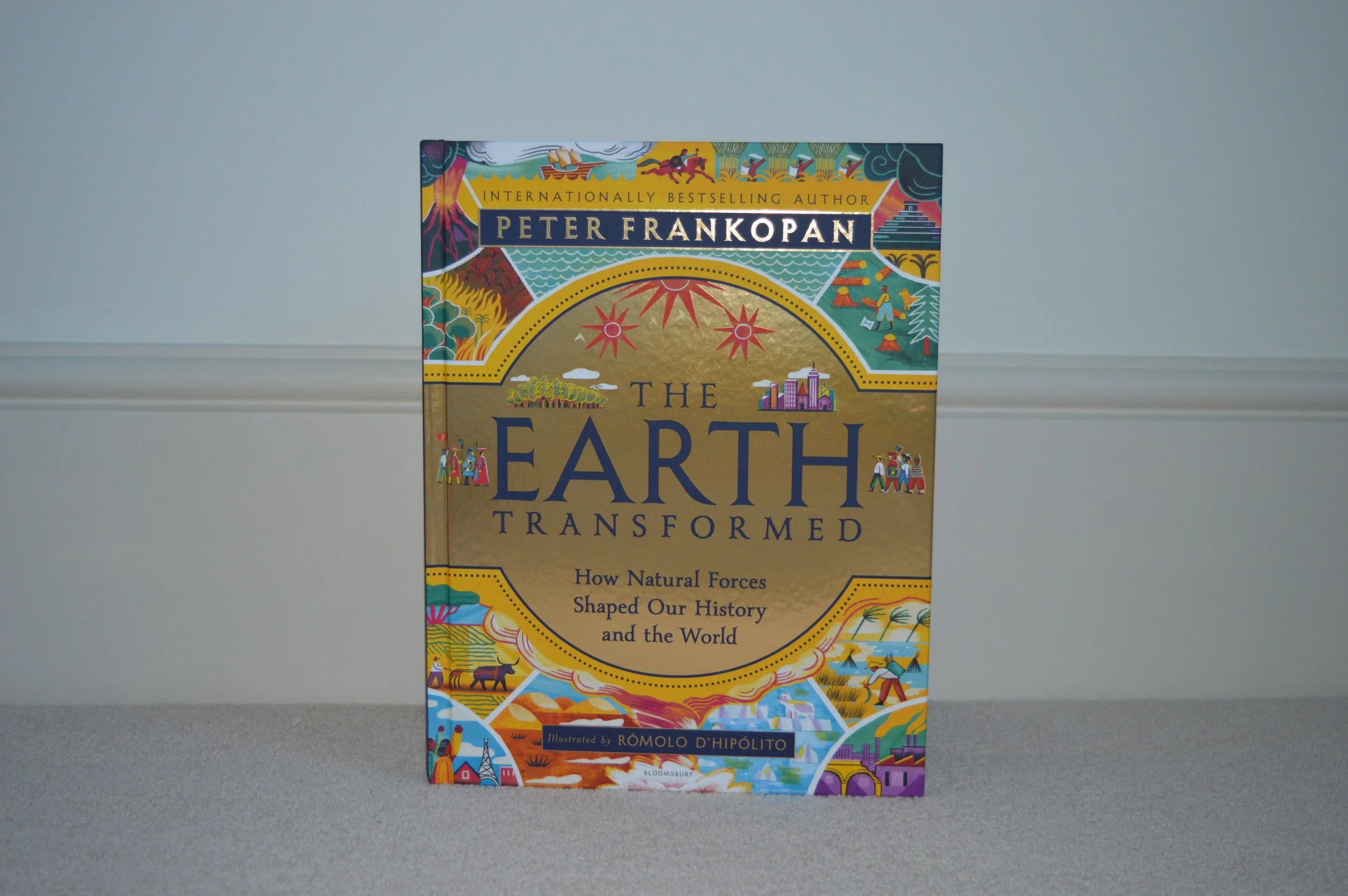
If, like me, you have purchased The Earth Transformed but are yet to tackle the tome, you might be interested to see that the illustrated version has recently been published by Bloomsbury. I was excited to get my hands on a copy and, at 137 pages that include illustrations, it felt a look more manageable than tackling the full edition- although I very much plan to do that at some point!
Although written through a historical lens, this is a book that is profoundly geographical. Chapter 1 discusses sunspot theory, ENSO cycles and Pangea as it sets the scene for the significance of natural processes on earth’s history. Of course, some chapters are more recognisable to the historian than the geographer (e.g Chapter 4 about beliefs) but the constant link to climate means that there is plenty for a geographer to enjoy! As a secondary geography teacher, this is an excellent read for your subject knowledge and for being able to pepper your teaching and explanations of climate change with historic examples, likely to be highly engaging for students.
I particularly enjoyed Chapter 5: The State Transformed which discusses how the eruption of Okmok, a volcano in Alaska, caused climatic changes with hugely significant impacts. This isn’t something I knew about before so I enjoyed reading about its impact on Egypt and civilisation there. As Peter Frankopan discusses in his own blog about this edition, he has made sure to achieve genuine global coverage in the book and this certainly comes through as you read it. A geographer will likely learn new examples of how climate has shaped our history that they might not have been aware of before.
For teachers:
This would be an excellent book for any young geographer but also for a non-specialist to get a sense of, and introduction to, some key geographical concepts (from specific chapters). There are also several extracts that could be used to teach or recap key climatic events and processes with students- depending on what is in your curriculum.
Reading Peter’s blog (linked here) has given me 4 new podcast episodes to listen to as well where he discusses some of the big ideas and stories behind The Earth Transformed with Afua Hirsch. I look forward to listening to those!
The Earth Transformed (Illustrated)
Next
Next